Reactive quality systems detect issues after deviations occur. Discover how AI-native predictive compliance monitors every batch, step, and deviation in real time.
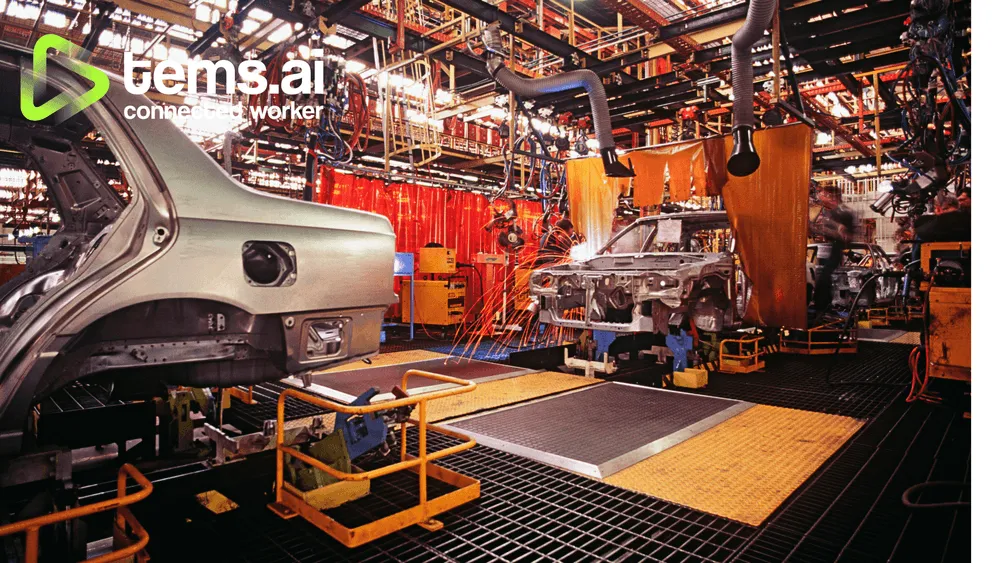
Continuous Monitoring with AI-Native Execution Intelligence
Introduction: Compliance Is Still Too Reactive
In many regulated industries, compliance operates on a familiar cycle:
-
Audit scheduled
-
Documentation prepared
-
Deviations reviewed
-
Corrective actions implemented
This approach is reactive. Compliance becomes visible when something goes wrong or when inspection approaches.
Modern regulators increasingly expect:
-
Continuous control
-
Complete traceability
-
Data integrity
-
Risk-based monitoring
The compliance model must evolve from episodic verification to continuous intelligence.
The Structural Weakness of Sampling
Traditional quality and compliance frameworks rely on:
-
Batch sampling
-
Periodic internal audits
-
Manual deviation logs
-
CAPA review meetings
Sampling has statistical validity. However, it leaves blind spots:
-
Minor deviations between checkpoints
-
Cross-shift variability
-
Micro-adjustment clustering
-
Human workarounds
Sampling confirms compliance occasionally. AI-native systems observe continuously.
Predictive Compliance Defined
Predictive compliance means: Compliance risk is detected before it escalates.
Instead of asking “Did we comply?” the system asks “Where is compliance risk increasing right now?”
AI-native platforms monitor:
-
Every batch
-
Every execution step
-
Every deviation
-
Every escalation
-
Every restart
Risk becomes measurable in real time.
Continuous Monitoring Across the Shop Floor
TEMS.AI integrates:
-
Digital work instructions
-
Risk-based digital audits
-
Quality checkpoints
-
Maintenance signals
-
Skill telemetry
This creates a unified execution intelligence layer. Compliance shifts from document validation to operational control.
Example: Food Production Allergen Risk
In food manufacturing, allergen cross-contamination is a critical compliance risk.
Traditional controls:
-
Cleaning checklist
-
Visual verification
-
Supervisor sign-off
AI-native predictive compliance adds:
-
Mandatory digital cleaning validation
-
Allergen SKU cross-check
-
Machine state confirmation
-
Escalation if cleaning duration deviates from norm
Risk is detected at execution stage, not post-production.
Real-Time Deviation Pattern Detection
Deviations rarely appear in isolation. AI detects:
-
Clustering across shifts
-
Parameter drift patterns
-
Repeated corrective actions
-
Escalation frequency increase
Small signals that precede larger compliance failures become visible.
Automated CAPA Alignment
Corrective and Preventive Action (CAPA) processes often suffer from:
-
Delayed root cause identification
-
Incomplete documentation
-
Weak follow-up verification
AI-native systems support CAPA by:
-
Linking deviations to execution logs
-
Highlighting recurring risk patterns
-
Verifying that corrective steps are completed
-
Monitoring effectiveness over time
CAPA transitions from paperwork to measurable improvement.
Regulatory Alignment
Predictive compliance supports standards including:
-
ISO 9001
-
ISO 22000
-
GMP / GxP
-
FDA 21 CFR Part 11
-
EU Annex 11
-
Aerospace AS9100
Key capabilities:
-
Electronic signatures
-
Immutable audit trails
-
Version-controlled procedures
-
Secure user authentication
-
Timestamped execution logs
Audit preparation becomes minimal because data is already structured.
Reducing Audit Stress
Compliance teams often operate under pressure before inspections. AI-native systems reduce preparation burden by:
-
Generating real-time compliance dashboards
-
Providing deviation history instantly
-
Ensuring documentation completeness
-
Flagging unresolved risks early
Compliance becomes routine rather than reactive.
Financial Impact of Predictive Compliance
Non-compliance creates:
-
Regulatory penalties
-
Product recalls
-
Production shutdowns
-
Reputation damage
Continuous monitoring reduces:
-
Escalation likelihood
-
Investigation time
-
Rework and containment cost
-
Audit preparation overhead
Compliance becomes a value protector, not just a cost.
Multi-Site Governance
Large enterprises struggle with:
-
Inconsistent compliance standards
-
Local interpretation of procedures
-
Fragmented reporting
AI-native architecture provides:
-
Centralized compliance dashboards
-
Standardized digital workflows
-
Cross-site benchmarking
-
Shared learning across plants
Global governance strengthens.
Integrating Compliance with Daily Execution
Predictive compliance embeds into:
-
Changeovers
-
Maintenance events
-
SKU transitions
-
Operator onboarding
-
Parameter adjustments
Compliance stops being a separate department. It becomes embedded in execution.
Cultural Impact
Predictive compliance must be framed correctly. It is not about surveillance. It is about:
-
Preventing risk
-
Supporting operators
-
Reducing crisis situations
-
Protecting brand integrity
When compliance feels preventive rather than punitive, adoption increases.
Deployment Roadmap
Phase 1: Digitize critical compliance checkpoints.
Phase 2: Integrate with production and maintenance data.
Phase 3: Enable AI-driven risk detection.
Phase 4: Standardize reporting across sites.
Measured rollout ensures trust and ROI.
Strategic Questions for Leaders
-
How often are compliance risks identified after deviation?
-
Are deviation patterns visible in real time?
-
How long does audit preparation take?
-
Are compliance insights integrated with production data?
If compliance remains document-centric, predictive intelligence is missing.
The Strategic Shift
Reactive compliance protects against known risks. Predictive compliance anticipates emerging ones.
AI-native execution intelligence:
-
Observes continuously
-
Detects drift early
-
Enforces verification gates
-
Aligns compliance with operations
Compliance becomes quiet and predictable.
Conclusion: Compliance Must Be Continuous
Regulatory expectations are rising. Manufacturing complexity is increasing. Static compliance models are insufficient.
Predictive compliance powered by AI:
-
Reduces risk exposure
-
Strengthens traceability
-
Accelerates audits
-
Protects margin
Compliance becomes part of operational excellence.